
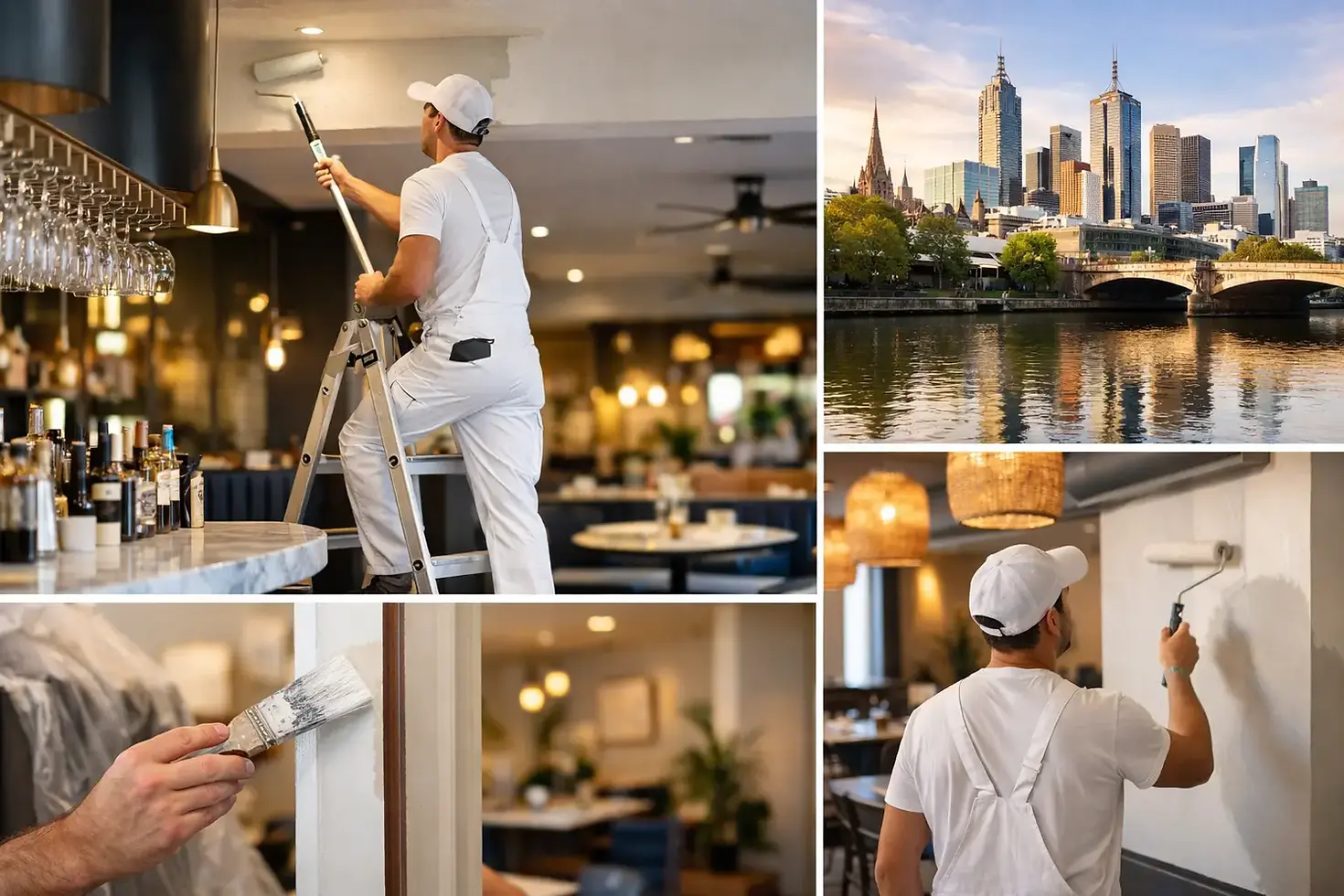
Hospitality Venue Painters Melbourne Guide

A tired dining room shows up fast in hospitality. Scuffed skirting, marked walls, peeling trims and dated colours all change how a venue feels before a guest has even looked at the menu. That is why choosing hospitality venue painters Melbourne businesses can rely on is not just about appearance. It is about presentation, hygiene, durability and keeping disruption under control while the work gets done.
For cafés, bars, restaurants, pubs and hotel spaces, painting needs a different level of planning from a standard commercial job. These are high-traffic environments with constant wear, changing light conditions, strict trading hours and a strong need to protect the customer experience. A good result depends as much on preparation, timing and product choice as it does on the final coat.
What makes hospitality painting different
A hospitality venue is judged quickly. Guests notice cleanliness, atmosphere and upkeep almost immediately, even if they cannot explain exactly why a space feels fresh or neglected. Paintwork plays a major role in that first impression because it affects light, mood and the perceived standard of the entire venue.
The challenge is that hospitality interiors work hard. Chairs scrape walls, staff move quickly through tight service areas, moisture builds up in kitchens and washrooms, and entry points take a daily beating. In a residential setting, a few surface marks might not matter for months. In a restaurant or bar, they can make the whole room look worn much sooner.
That is why hospitality painting is rarely just a cosmetic exercise. It often involves repairing dents, patching damaged plaster, addressing stains, improving washability and choosing finishes that can cope with regular cleaning. In many venues, the smartest painting plan is one that balances presentation with maintenance, rather than chasing a finish that looks good for a week and struggles after that.
Choosing hospitality venue painters in Melbourne
Not every painter is set up for active business environments. Hospitality venue painters in Melbourne need to understand more than application techniques. They need to work around trading schedules, coordinate with venue managers, protect furnishings and equipment properly, and keep the site tidy and safe at every stage.
Experience matters here because hospitality jobs often involve live environments or narrow access windows. A painter who is well organised can section off areas, sequence the work sensibly and reduce interruption to staff and patrons. A painter without that discipline can create unnecessary downtime, confusion and mess.
Local knowledge also helps. Melbourne venues face a mix of conditions depending on their building type and location. Older dining rooms may have heritage details, patchy plaster or years of layered coatings. Bayside sites can deal with more moisture and salt exposure on external surfaces. Modern fit-outs may call for sharper lines, low-odour systems and close coordination with other trades. The right approach depends on the venue, not just the paint chart.
The finishes matter as much as the colour
Many venue owners start by thinking about colour, and that is understandable. Colour affects mood, branding and how a room photographs. Warm neutrals can make a dining room feel settled and inviting. Darker feature tones can add intimacy in bars or lounges. Fresh whites and soft muted shades often suit casual cafés looking for a clean, relaxed feel.
But colour is only part of the decision. Finish level has a big impact on durability and maintenance. A flatter finish can hide wall imperfections and create a softer look, but in some areas it may mark more easily. Higher-sheen products are generally easier to wipe down, though they can highlight surface flaws if preparation is not thorough.
This is where practical advice matters. Front-of-house walls, corridors, stairwells, amenities and back-of-house areas do not all need the same system. In hospitality, one-size-fits-all rarely gives the best long-term result. The smartest jobs match the coating to the function of the area.
Preparation is what clients remember later
Most painting problems do not start with the topcoat. They start with poor prep. If existing coatings are unstable, surfaces are greasy, cracks are left untreated or damaged areas are painted over too quickly, the finish may look acceptable at handover and disappoint not long after.
Hospitality venues make preparation even more important because wear is concentrated and highly visible. Corners, service passages, door frames, bar fronts and wall sections near seating all need close attention. Surface cleaning, sanding, patching, priming and caulking are not add-ons. They are what give the completed work its durability and neat appearance.
For operators and property managers, this is one of the clearest signs of a professional team. Reliable painters do not rush the hidden stages just to get colour on the wall. They know that the venue needs to look sharp not only on reopening day, but through the weeks and months that follow.
Timing and disruption need proper planning
In hospitality, scheduling can be as important as workmanship. Some venues can close sections at a time. Others need after-hours work, staged repainting or careful sequencing around quieter trading periods. The right plan depends on staffing, bookings, access and how the space is used day to day.
There is always a trade-off. Fast turnarounds can be achieved, but only if the scope, drying times and access conditions are managed realistically. Some coating systems dry quickly and suit tight windows. Others may be better for longevity in heavy-use areas but require more time between stages. Good advice means being honest about those choices rather than pretending every job can be completed the same way.
Cleanliness is part of this as well. Hospitality venues cannot afford to feel like worksites longer than necessary. Floors, furniture, counters and equipment need proper protection, and daily pack-up should leave the site orderly. Professional conduct matters just as much as the final appearance because venue managers are often juggling staff, suppliers and service while the work is underway.
Interior and exterior presentation both count
Most operators focus first on the dining or service area, but the exterior deserves equal attention. A faded frontage, weathered render, flaking timberwork or worn outdoor dining area can lower expectations before guests step inside. In busy Melbourne hospitality precincts, street appeal matters.
External painting also faces more environmental stress. Sun, rain, traffic grime and, in some suburbs, coastal conditions can shorten the life of unsuitable products. Surface-specific preparation and premium exterior coatings are important if the venue is to maintain a consistent, professional look.
Inside, the priorities usually shift towards washability, odour control and finish consistency under artificial lighting. A colour that looks balanced in daylight can read differently under pendants, downlights or warmer evening lighting. Testing and product selection are worth getting right early, especially in venues where ambience is central to the brand.
What a dependable painter should bring to the job
Hospitality clients generally want the same things from a painting contractor. They want clear communication, punctual attendance, a tidy worksite and a finish that holds up. Those basics sound simple, but they are often what separate experienced commercial painters from less organised operators.
A dependable team should be fully qualified and insured, comfortable working in occupied commercial settings and familiar with premium paint systems from recognised brands such as Dulux, Wattyl and Taubmans. They should also be able to explain why a particular coating or finish is suited to a certain area without overcomplicating the conversation.
Just as importantly, they should respect the venue. That means protecting surfaces properly, keeping dust and clutter under control, and understanding that your business image is still on display while works are happening. For many hospitality clients, trust is built as much through conduct on site as through technical skill.
When repainting is the right move
A full repaint is not always necessary, but there are clear signs when action makes sense. If surfaces are difficult to clean, colours feel dated, damage is becoming more noticeable or patch repairs are standing out from the rest of the room, repainting can restore consistency and lift the venue significantly.
It can also support operational goals. A refreshed interior can help reposition a venue, align with a rebrand, improve staff pride in the workplace and create a better guest experience. Even modest updates can change how a space feels if they are handled with proper prep and the right finish choices.
For hospitality operators who want a practical, well-managed result, the best approach is to work with painters who understand the pressures of active venues and the standard of presentation your customers expect. That is where an experienced local team such as Painting and Decorating Experts can make a real difference - not by overcomplicating the process, but by delivering careful workmanship, reliable scheduling and a clean, professional result.
A hospitality venue never really stops speaking for your business, even when no one is talking. Fresh, durable paintwork helps make sure it says the right thing every day.


