
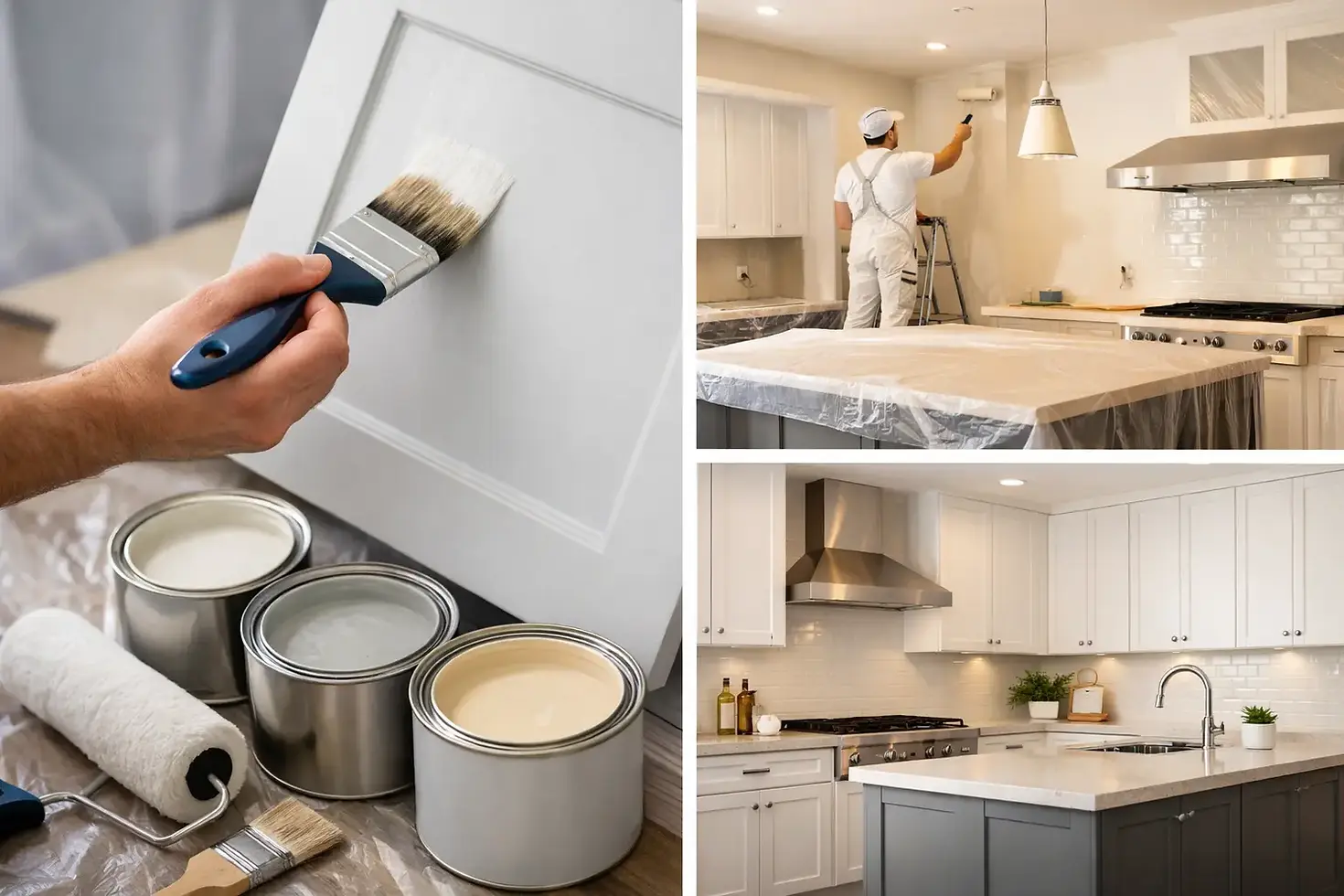
Best Paint Finishes for Kitchens

The wrong finish in a kitchen shows up quickly. Steam settles on the ceiling, cooking residue clings to walls, and every mark near the pantry, splashback and light switch seems to stand out. Choosing the best paint finishes for kitchens is less about trends and more about how the room is used every day.
For most homes, the best result comes from matching the finish to the surface rather than using the same sheen everywhere. Kitchens need paint that can handle moisture, frequent wiping and strong natural light, while still looking clean and consistent. That balance matters whether you are freshening up a family home, updating an apartment, or repainting a busy rental between tenancies.
What makes a kitchen paint finish work well?
A good kitchen finish needs to do three things well. It should resist moisture, allow regular cleaning without burnishing or patchiness, and suit the condition of the surface underneath. If one of those elements is off, even a quality paint can disappoint.
Higher-sheen finishes are generally more washable, but they also highlight dents, sanding marks and uneven plaster. Lower-sheen finishes are more forgiving on older walls, yet they may not cope as well with repeated scrubbing in heavy-use areas. That is why the best paint finishes for kitchens usually involve a practical mix rather than a one-size-fits-all choice.
In Melbourne homes, this matters even more in kitchens that get strong afternoon light or are exposed to seasonal moisture changes. Light can exaggerate imperfections, while humidity can test how well a paint film performs over time.
Best paint finishes for kitchens by surface
Walls - low sheen is usually the safest choice
For most kitchen walls, low sheen is the best all-round option. It gives a soft, modern look without being flat, and it is far easier to wipe down than standard matt finishes. It also handles day-to-day wear well in areas where fingerprints, minor splashes and general traffic are unavoidable.
Low sheen works particularly well in family kitchens and open-plan living spaces because it does not throw too much light back into the room. That helps the walls look more even, especially if the plaster is not perfectly smooth. In older homes around Bayside and Melbourne’s south-east, where walls may have had previous repairs, this can make a noticeable difference.
If you cook often, have children, or simply want easier maintenance, low sheen is usually the most dependable choice for kitchen walls.
Washable matt - good for a softer look, but choose carefully
Modern washable matt paints have improved a lot. Some premium products offer solid stain resistance and a very refined finish, which appeals to homeowners who want a softer, less reflective look.
That said, not every matt product belongs in a kitchen. Standard matt paints can mark more easily and may not respond well to repeated cleaning, particularly around food prep areas. If you prefer this look, it is worth making sure the product is specifically designed for washable interior use and suitable for kitchens.
Used well, washable matt can suit kitchens with good ventilation and lighter daily wear. It is often chosen for contemporary interiors where the aim is a calm, understated finish rather than visible sheen.
Semi-gloss or gloss - best for trim and high-contact areas
For architraves, skirting boards, doors and window frames in a kitchen, semi-gloss is often the most practical finish. It is durable, easy to clean and stands up well to repeated handling. Gloss can also work, but it creates a much shinier appearance and will show surface flaws more readily.
In most kitchens, semi-gloss offers the right balance. It feels crisp and durable without looking overly hard or dated. Gloss still has a place in some homes, particularly where a more traditional style is being matched, but it needs very good preparation to look right.
Where surfaces are touched constantly, such as pantry doors or internal door frames near cooking zones, a more durable enamel-style or water-based trim finish is often the better long-term option.
Ceiling - flat is usually best
Kitchen ceilings generally perform best with a flat ceiling paint designed to cope with humidity. The reason is simple - ceilings do not need the same scrub resistance as walls, but they do need a finish that hides imperfections and reduces visible glare.
A flat finish helps keep the ceiling looking even, especially under downlights and natural light. The key is using a product suited to moisture-prone rooms rather than a basic ceiling paint intended only for dry areas.
If there is poor ventilation or a history of condensation, product choice and proper preparation become especially important.
How sheen affects the final look
Paint finish is not only about cleaning. It also changes how colour reads in the room.
The more sheen a paint has, the more light it reflects. In a kitchen, that can make colours appear brighter and sharper. It can also make wall repairs, old roller marks and uneven surfaces more obvious. Lower-sheen paints soften the appearance of colour and are generally more forgiving.
This is one reason many homeowners choose low sheen for walls even when they are tempted by the durability of something shinier. On a sample card, a semi-gloss wall finish might seem practical. On a full kitchen wall, it can look harsher than expected.
If your kitchen gets strong daylight, this is worth considering before committing. A finish that seems subtle in the morning can look quite reflective by late afternoon.
Choosing the best paint finish for your type of kitchen
A lightly used kitchen in a city apartment does not need exactly the same finish as a large family kitchen that sees constant cooking, entertaining and traffic. Usage matters.
For busy family kitchens, low sheen on walls and semi-gloss on trim is usually the most reliable combination. It gives enough durability for regular cleaning without making every wall imperfection stand out.
For higher-end renovated kitchens with smooth plaster and strong attention to detail, washable matt can work on walls if the product quality is high and ventilation is good. It gives a more architectural look, but there is less room for shortcuts in preparation.
For rental properties or investment homes, practicality tends to come first. A finish that is durable, easy to maintain and straightforward to touch up is often the better choice than one that looks perfect only under ideal conditions.
Commercial kitchens, staff kitchenettes and hospitality back-of-house areas are another category again. These spaces usually need tougher systems, and finish selection should reflect the level of cleaning, traffic and moisture exposure.
Preparation matters as much as the finish
Even the best paint finishes for kitchens will underperform if the surface is not prepared properly. Kitchens collect airborne grease, and paint does not bond well over contamination. Walls and ceilings need to be cleaned thoroughly, unstable coatings removed, and repairs properly filled and sanded before painting begins.
This is also where finish choice and surface condition come together. A higher sheen can be very durable, but if the wall has patching or uneven areas, those defects will be more visible once the paint dries. Good preparation reduces that risk, but it does not completely change how sheen behaves.
Professional painters spend time getting this stage right because it affects both appearance and durability. Clean lines, uniform coverage and a consistent sheen level all depend on the groundwork.
Common mistakes when picking kitchen paint finishes
One common mistake is choosing the flattest possible finish for style reasons without thinking about maintenance. It may look excellent at first, then become difficult to keep clean around high-contact areas.
Another is going too glossy on broad wall surfaces. People often assume shinier means tougher, which is partly true, but kitchens also need a finish that looks balanced in changing light. Too much sheen can make the room feel harder and expose every imperfection.
There is also the issue of using a standard interior wall paint in a kitchen without checking whether it is suited to moisture and cleaning. Premium paint systems from established brands such as Dulux, Wattyl and Taubmans offer kitchen-suitable options, but the exact product still needs to match the job.
So what is the best overall choice?
For most kitchens, the most practical answer is low sheen on the walls, flat moisture-resistant paint on the ceiling, and semi-gloss on trim and doors. That combination gives a clean, durable finish without overemphasising every bump and patch in the room.
There are exceptions. If your kitchen walls are in excellent condition and you want a softer, more contemporary look, a premium washable matt can be a smart choice. If the space has traditional detailing and immaculate preparation, gloss may suit select trim elements. The right finish depends on the condition of the surfaces, how the kitchen is used, and how much maintenance you are willing to stay on top of.
A well-painted kitchen should not just look good on day one. It should still look neat after busy mornings, weekend cooking and regular wipe-downs. That is usually the best test of whether the finish was the right one.


