10 Feature Wall Ideas for Living Room Style
- Painting and Decorating Experts

- Jul 2
- 7 min read
The wrong feature wall can make a living room feel busy, dated or smaller than it really is. The right one gives the space direction. If you are looking for feature wall ideas living room spaces can genuinely benefit from, the best place to start is not colour charts - it is the room itself, how you use it, and what you want the wall to do.
In many homes, the living room has more than one job. It might be where the family relaxes, where guests gather, where the television sits, or where an open-plan area needs a bit more structure. A feature wall works best when it supports that purpose rather than competing with it. That is why the strongest results usually come from a simple, well-considered finish done properly.
How to choose the right feature wall
Before picking a colour or finish, look at the wall you are working with. Is it the wall behind the sofa, the television wall, the fireplace wall, or the first wall you see when entering the room? The most effective feature wall is usually the natural focal point already. If you force attention onto a random wall, the room can feel off-balance.
Light matters just as much. A dark colour can look rich and grounded in a bright Melbourne living room with good natural light, but the same shade in a narrow or shaded room may feel heavy. Ceiling height, floor colour, existing joinery and window furnishings all influence the final effect. This is where experience helps - what looks impressive on a sample card can behave very differently across a full wall.
It also pays to think about longevity. A living room is one of the most visible areas in the home, so trendy finishes need to be weighed against how well they will age. A feature wall should feel intentional for years, not just impressive for a few months.
Feature wall ideas for living room spaces that work
1. Deep paint tones for a clean, modern focal point
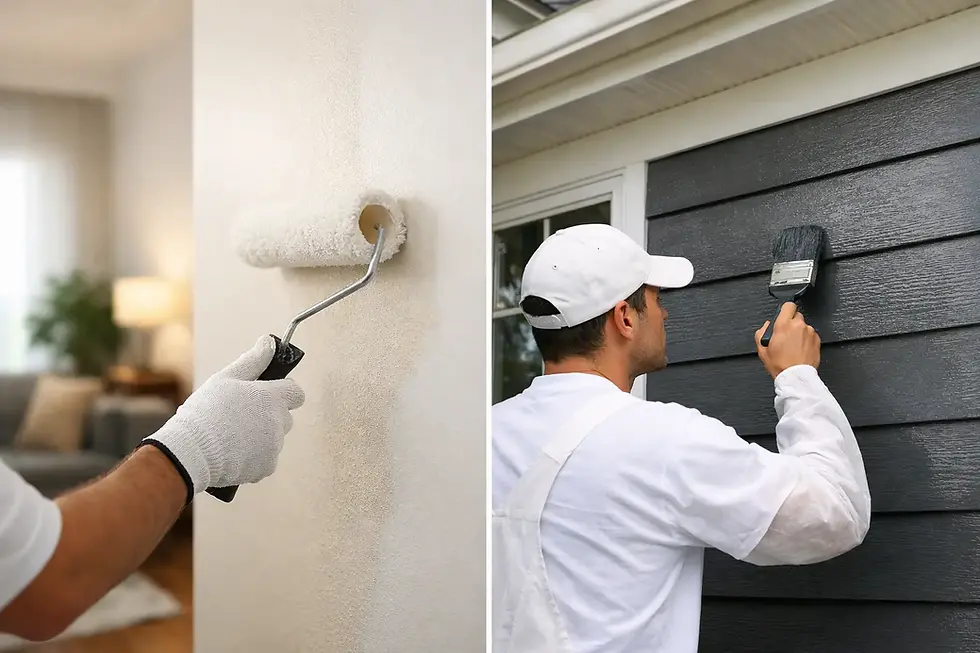
A painted feature wall is still one of the most effective options because it is versatile, precise and easier to integrate with the rest of the room. Deep charcoal, muted olive, warm navy, soft terracotta and smoky blue-grey can all work well, depending on your furnishings and natural light.
This option suits homeowners who want impact without adding extra materials or visual clutter. It also works across many property styles, from period homes with decorative cornices to newer apartments with a simpler profile. The finish matters here. In most living rooms, low-sheen paint gives enough softness to hide minor surface variation while still looking polished.
2. Warm neutrals instead of stark contrast
Not every feature wall needs to be dark. One of the better feature wall ideas living room owners often overlook is using a tonal shift rather than a dramatic contrast. A warm greige, clay beige, muted mushroom or soft sage can create depth without shouting for attention.
This approach is especially useful in open-plan homes where the living room flows into dining and kitchen zones. You still define the area, but the result feels calm and connected. It is a sensible choice if you want a more premium, understated finish.
3. Textured decorative finishes
For a more refined result, decorative paint finishes can add depth that plain colour cannot. Limewash-style effects, suede finishes, concrete-look coatings and other layered textures create movement across the wall, which can look particularly effective in larger living rooms with simple furniture and good natural light.
There is a trade-off, though. Decorative finishes are more technique-driven than standard painting, so application quality is critical. Done well, they look tailored and architectural. Done poorly, they can look patchy or forced. In spaces where presentation matters, this is not an area to cut corners.
4. Timber battens for warmth and definition
Vertical timber battens have become popular because they add warmth and structure without overwhelming the room. They work particularly well behind a television unit or along a wall that needs more architectural interest.
The benefit is not just appearance. Battens can visually lift a lower ceiling and make a plain wall feel more finished. The main consideration is proportion. In a compact living room, battens that are too thick or too dark can close the space in. In a larger room, they can add exactly the level of detail needed.
5. VJ panels or moulded wall panelling
If your home has a more classic or transitional style, wall panelling can be a strong fit. VJ sheets, square-set moulding details or shaker-style panelling can create a feature wall that feels built in rather than added on later.
This kind of finish works well in homes where you want character but still want a clean, painted result. It also suits living rooms with higher ceilings and more traditional elements. The key is keeping the scale right. Overly busy moulding patterns can make the room feel smaller, while a restrained layout tends to look smarter and more timeless.
6. Stone or fireplace surrounds as the hero
In some living rooms, the feature wall already exists - it is the fireplace wall. Rather than introducing a second focal point, it often makes more sense to improve and frame what is already there. Painted chimney breasts, microcement finishes, stone cladding or a carefully chosen surrounding wall colour can all help anchor the space.
This approach works because it follows the room's natural layout. Instead of forcing attention elsewhere, it builds on the feature people already notice. For many homes, that creates a calmer and more cohesive result.
7. Wallpaper used with restraint
Wallpaper can still be a very good option, especially for living rooms that need softness or pattern rather than stronger colour. Textured grasscloth looks, subtle geometric designs and tone-on-tone prints can all work well.
The word here is restraint. Bold prints can be effective in the right room, but they can also dominate furniture and styling very quickly. If your sofa, rug and artwork already carry a lot of detail, a quieter wallpaper is usually the safer choice. In more pared-back interiors, wallpaper can bring the room to life.
8. A darker TV wall to reduce visual clutter
Televisions often disrupt the look of a living room more than people expect. One practical solution is to paint the TV wall in a deeper tone so the screen recedes and cables, units and accessories feel less obvious.
This is one of the most useful feature wall ideas for living room layouts centred around media. It is less about decoration and more about visual control. In homes where the television is the main focal point, that can be a smarter choice than trying to fight against it.
9. Ceiling-to-floor colour blocking
If you want a more contemporary effect, colour blocking can help define the living area in a subtle architectural way. This might mean extending the feature wall colour slightly onto an adjoining return wall, shelving niche, built-in joinery, or even a section of ceiling.
Used carefully, it can make a room feel more designed and less boxy. Used too heavily, it can look gimmicky. The success of this approach depends on having a clear reason for the shape and placement of the colour.
10. Artwork-led walls with paint as support
Sometimes the best feature wall is not the wall finish itself but what it allows you to display. A carefully chosen paint colour behind large artwork, a mirror or a curated shelf arrangement can be more effective than a textured product or statement wallpaper.
This approach suits homeowners who like flexibility. You still create focus, but the room can evolve over time through styling rather than building work. It is also a good option if you want impact without making the wall too permanent.
What to avoid with a living room feature wall
A few common mistakes tend to date a room quickly. One is choosing a colour only because it is trending, without checking how it sits against flooring, window frames and furniture. Another is creating contrast for its own sake. A feature wall should feel connected to the room, not pasted onto it.
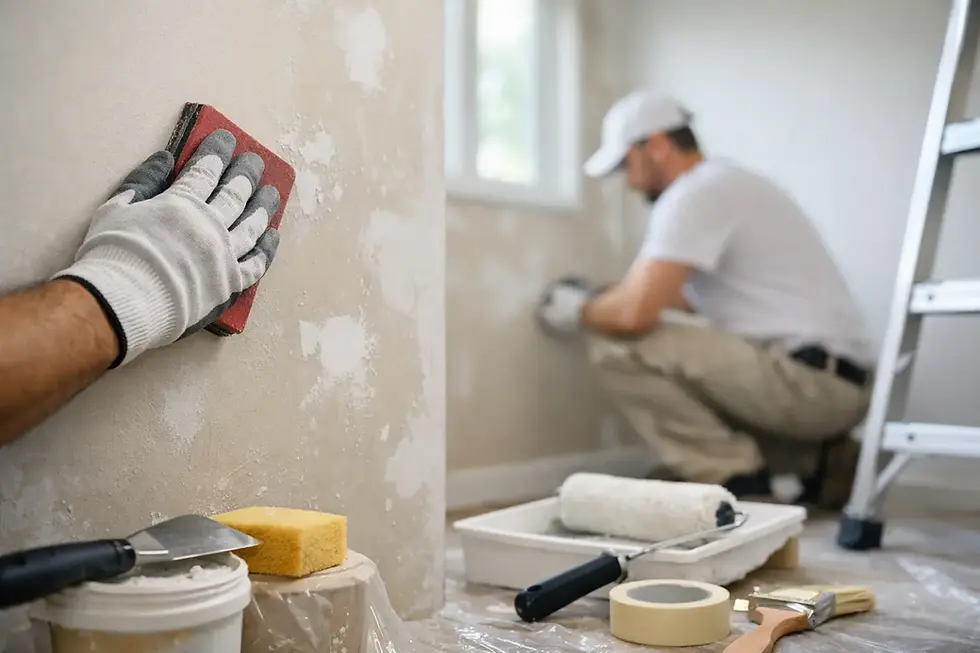
Preparation is another issue. Dark colours and speciality finishes show surface imperfections more clearly, so the wall underneath needs proper filling, sanding and priming. This is often where the difference shows between a finish that looks neat up close and one that only looks acceptable from across the room.
It is also worth being careful with too many competing features. If you already have strong flooring, patterned rugs, bold artwork and heavy curtains, a quieter wall may give a better overall result.
Matching the idea to the type of property
Different homes suit different treatments. In a Bayside period home, panelled feature walls or rich, heritage-inspired paint colours can complement original details beautifully. In a newer townhouse or apartment, cleaner finishes such as tonal paint, batten detailing or textured coatings often feel more appropriate.
Commercial lounge areas and reception spaces follow a similar principle. The finish needs to look professional, wear well and support the brand or atmosphere of the space. In those settings, reliability of application and minimal disruption during works matter just as much as the design itself.
A professional painter or decorator will usually assess more than colour. They will also consider substrate condition, sheen level, patching requirements, how the wall receives light across the day and whether the chosen finish suits the wear the space gets. That practical side is what protects the final look.
If you are choosing between a few different directions, the best option is usually the one that gives the room focus without making it harder to live in. A living room should still feel comfortable at the end of the day. The strongest feature walls do not just stand out - they make the whole room sit better.